
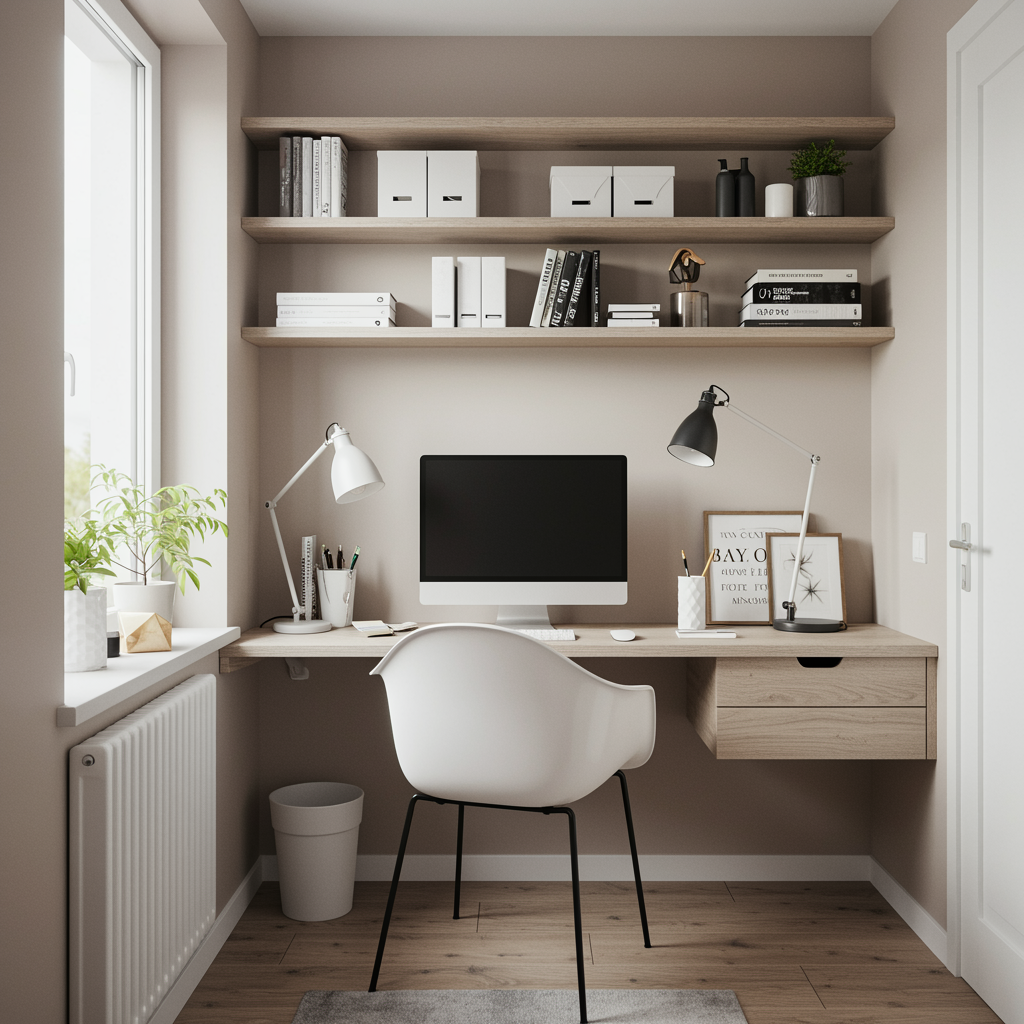
Exploring Home office ideas helps you build a highly productive environment right inside your house. You create a dedicated zone for focused work, online classes, and professional meetings. Both remote workers and university students need comfortable spaces to tackle their daily assignments.
Building this workspace requires a clear understanding of your physical needs and daily habits. You want a setup that supports your posture and keeps your essential tools organized. We break down the entire planning process into simple steps that anyone can follow.
Choosing The Ideal Location
You must evaluate your floor plan to find the quietest area in your home. Look for spaces that receive natural sunlight and sit far away from noisy televisions or kitchens. A good location helps you mentally separate your working hours from your resting time.
A well-designed workspace boosts your daily focus and protects your long-term physical health.
Dedicated Spare Rooms
Converting a guest bedroom offers the ultimate privacy for your daily tasks. You can shut the door to block out household noise during important video calls. This extra room allows you to spread out multiple monitors and large filing cabinets.
You leave your work behind completely when you walk out of this dedicated room at night. This physical boundary prevents professional stress from ruining your family time. Homeowners often increase their property value by staging these spare rooms as functional offices.
Bedroom Corners
Many people must fit their workstations directly into their primary sleeping areas. You can place a small writing desk against an empty wall facing away from the bed. This layout prevents you from staring at your mattress while trying to finish a complex project.
You should use a folding screen to hide the desk when you finish working. Hiding your computer helps your brain relax before you go to sleep. Students frequently use this zoning technique to survive in cramped dormitory rooms.
Repurposed Closets
You can remove the doors from a deep hallway closet to create a compact working station. Install a strong piece of wood at sitting height to serve as your main desktop. Add floating shelves above the desk to hold your reference books and printer.
Painting the inside of this closet a bright color makes the small area feel much larger. You can install an overhead light to ensure you see your paperwork clearly. This clever design saves valuable floor space in small urban apartments.
Essential Furniture Selection
Every productive day starts with reliable and comfortable furniture. You should avoid buying cheap chairs that offer zero lower back support. Invest your money in ergonomic equipment that protects your spine during long study sessions.
Finding The Right Desk
Your desk serves as the foundation for your entire daily operation. You need enough surface area to hold your computer, a notepad, and a cup of coffee. Solid wood desks provide excellent durability and bring a warm feeling to the room.
Standing desks offer incredible health benefits by letting you change positions throughout the day. You push a button to raise the surface when your legs feel stiff. Alternating between sitting and standing keeps your energy levels high all afternoon.
Ergonomic Chair Options
You spend thousands of hours sitting in your desk chair every single year. You must buy a chair featuring adjustable height and proper lumbar support. Your feet should rest flat on the floor while your knees maintain a ninety-degree angle.
Mesh chairs keep your back cool during hot summer afternoons. Leather executive chairs offer a classic look but often trap body heat over time. You should test several models in a local store before making your final purchase.
Lighting Strategies For Productivity
Proper illumination prevents severe eye strain and painful afternoon headaches. You need a mix of different light sources to create a comfortable working atmosphere. Relying solely on overhead ceiling lights creates harsh shadows across your keyboard.
Maximizing Natural Light
You should position your desk perpendicular to the nearest window. This angle gives you plenty of natural sunlight without casting a blinding glare across your computer screen. Looking out the window occasionally helps your eyes relax after staring at digital text.
Task Lighting Solutions
A flexible desk lamp directs bright light exactly where you read physical documents. You can adjust the neck of the lamp to eliminate shadows over your notebook. Warm LED bulbs create a welcoming glow that does not irritate your vision.
Incorporating Technology
Modern work requires reliable hardware and smart display solutions. You must arrange your equipment to maximize your efficiency and minimize physical strain. Placing your monitor at the correct height prevents severe neck pain.
| Monitor Type | Best For | Space Required |
| Single Laptop | Brief study sessions | Minimal |
| Dual Screens | Data entry and research | Moderate |
| Ultrawide Display | Video editing and design | Large |
| Tablet Stand | Digital drawing | Minimal |
Elevating your screens brings the top edge of the monitor directly to your eye level. You can use monitor arms to free up valuable space on your actual desktop. These adjustable arms let you pull the screen closer when reading small text.
Cable Management Techniques
Messy wires instantly ruin the look of a beautiful new desk. You must organize your power cords to keep your legroom completely clear. Tangled cables collect heavy dust and create dangerous tripping hazards.
- Mount power strips under the desk surface
- Use velcro ties to bundle loose cords together
- Route cables through desktop grommet holes
- Label power plugs for easy identification
- Install hidden wire trays along the back edge
Taking thirty minutes to route your cables properly transforms your entire setup. You feel much calmer when you sit down at a clean and organized station. Design students often study these cable management techniques to improve their commercial office projects.
Smart Storage Solutions
Proper organization prevents physical clutter from turning into mental distraction. You need specific places to store your pens, files, and charging blocks. Keeping your desk surface clear helps you focus entirely on your current assignment.
Vertical Shelving Units
Tall bookcases take advantage of empty wall space reaching up toward the ceiling. You can store your least used items on the very top shelves. Keep your daily reference materials on the lower shelves right next to your chair.
Mobile Filing Cabinets
Rolling drawer units fit perfectly underneath standard writing desks. You can pull the cabinet out when you need to access secure paper documents. Many modern cabinets feature padded tops that provide an extra seat for quick meetings.
Personalizing Your Environment
Adding personal touches makes your working area feel inviting rather than sterile. You want to surround yourself with items that inspire creativity and positive thinking. A personalized space motivates you to tackle difficult projects with energy.
Adding Greenery
Houseplants purify the indoor air and bring vibrant life to a boring room. You should choose low-maintenance varieties like snake plants or simple succulents. Taking care of a small plant gives you a nice mental break during the day.
Displaying Artwork
Hanging framed posters or family photos adds instant character to blank walls. You can create a gallery wall featuring inspiring quotes or beautiful landscapes. Art students often use their own office walls to showcase their recent creative pieces.
Color Psychology In Design
The colors you paint your walls directly affect your daily mood and energy levels. You must choose shades that support the specific type of work you do. Bright colors stimulate your brain while muted tones help you concentrate.
Soft blue walls promote a sense of calm and lower your overall stress levels. Pale green shades reduce eye fatigue and create a balanced atmosphere. You should avoid painting the entire room bright red as it causes anxiety and restlessness.
Budget Friendly Approaches For Students
College students usually operate with tight financial restrictions. You can still build an amazing study area without spending a fortune on new furniture. Thrift stores and online marketplaces offer incredible deals on gently used office equipment.
Repurposing items you already own saves you a massive amount of money. You can use decorative coffee mugs to hold your pens and highlighters. A solid piece of wood placed across two sturdy filing cabinets makes a fantastic temporary desk.
Minimizing Distractions
Working from home introduces unique challenges regarding your focus and attention span. You must actively manage your environment to prevent constant interruptions. Taking control of your surroundings guarantees a higher quality of output.
Using noise-canceling headphones blocks out loud neighbors and barking dogs. You can listen to instrumental music to help your brain enter a deep state of focus. Leaving your phone in another room prevents you from checking social media every five minutes.
Creating A Healthy Routine
Your physical setup only works if you develop strong daily habits. You need to establish a strict schedule to prevent your job from consuming your entire life. Setting clear boundaries protects your mental health over the long term.
You must step away from your computer screen every single hour. Walking around the house stretches your legs and gets your blood moving. Drinking plenty of water keeps you alert and prevents afternoon fatigue.
Maintaining Your Setup
Regular cleaning keeps your equipment functioning perfectly for years. You must wipe down your keyboard and mouse with disinfecting wipes every week. Dusting your computer vents prevents the internal fans from overheating and breaking.
Organize your paper files every Friday afternoon before you finish your week. You should throw away useless sticky notes and file important documents immediately. Starting Monday morning with a completely clean desk sets a positive tone for the next five days.